
HAIR DISORDER - HAIRFALL
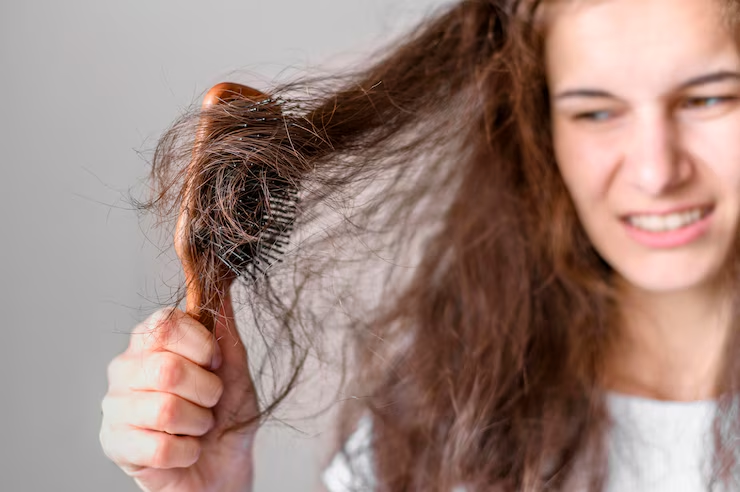
Hair fall, also known as alopecia, is a common condition where an individual experiences excessive hair shedding from the scalp or other body parts. While losing some hair daily is normal—typically 50 to 100 strands—significant or noticeable hair loss may signal an underlying issue. Hair fall can affect people of all ages, genders, and ethnicities, and its causes are diverse, ranging from genetics to lifestyle factors and medical conditions.
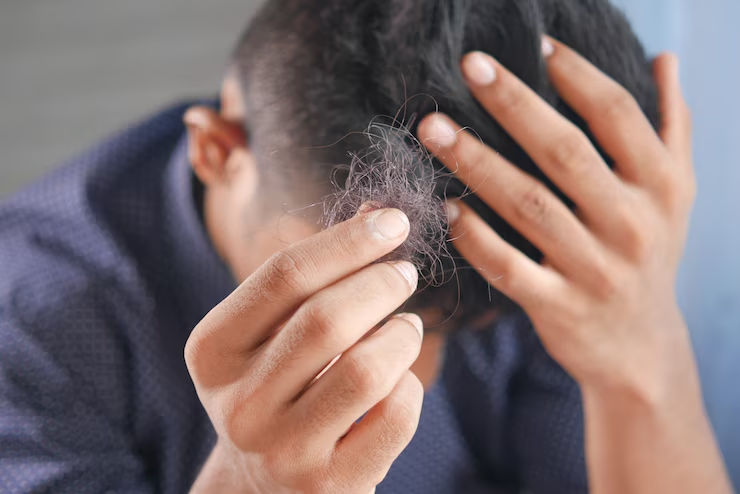
CAUSES OF HAIRFALL
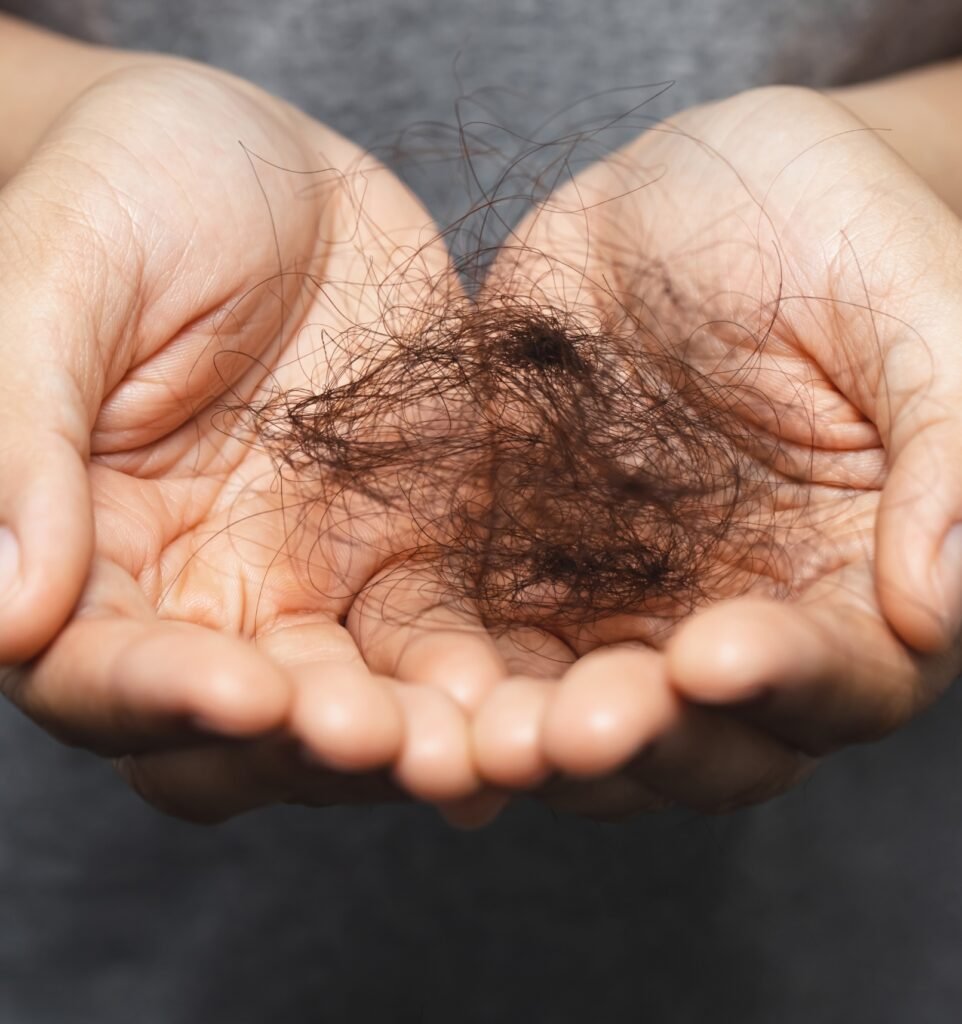
Certain Medication
Medications for the treatment of cancers, arthritis, depression, hypertension, and even birth control medication contribute to hair loss.
Genetic Factors
Family history of hair loss and specific ages are the most common causes of this form of baldness, also known as male or female pattern baldness.
Lifestyle Factor
Abuse of chemical hair products, use of heating devices, or wearing tight hairstyles. Also, smoking and inadequate sleep can lift these hair-related issues.
Hormonal Change
Numerous factors in life, such as pregnancy, menopause, or thyroid problems, can cause this effect. One’s hair can also thin due to Polycystic Ovary Syndrome in women.
TREATMENT FOR HAIRFALL
Minoxidil (Rogaine):
- A solution or foam that is applied to the scalp, which is believed to encourage hair growth.
- Sometimes useful in day-to-day or in those who have thinning hair from androgenetic alopecia.
Finasteride (Propecia):
- A tablet formulation for men that prevents him from baldness due to dihydrotestosterone.
Biotin and Multivitamin Supplements:
- These are especially indicated in patients who are deficient in certain nutrients and are useful in hair strengthening and regrowth.
Platelet-Rich Plasma (PRP) Therapy:
- This involves drawing blood, separating it, and introducing it to regions of the scalp in an attempt to stimulate hair growth.
Hair Transplant Surgery:
- This procedure includes taking one or more hair-bearing scalp portions and implanting them on bald patches.
Healthy Diet:
- Include such foods beneficial for hair loss treatment include, proteins, zinc, and iron, and eggs, fish, nuts, etc.
Scalp Care:
- The scalp can be massaged with coconut, argan, or castor oil to ensure proper blood flow.
Avoid Harsh Treatments:
- Use of hair styling devices, chemical hair treatments, and braids should be avoided.
Aloe Vera:
- It helps keep the oil on top of the head and helps lessen inflammation while promoting hair growth.
Onion juice:
- It is useful in improving blood circulation in the scalp and hair follicles.
Green tea:
- Washing the hair with green tea strengthens the hair follicles.
