
FUNGAL INFECTION
A fungal infection is a disease caused by the invasion of various parts of the body, including skin, nails, hair, and internal organs by fungi. Most of these fungi are harmless. However, a few may cause mild to serious infections, especially in those suffering from reduced immunity. These are also frequent and usually affect people of any age group.
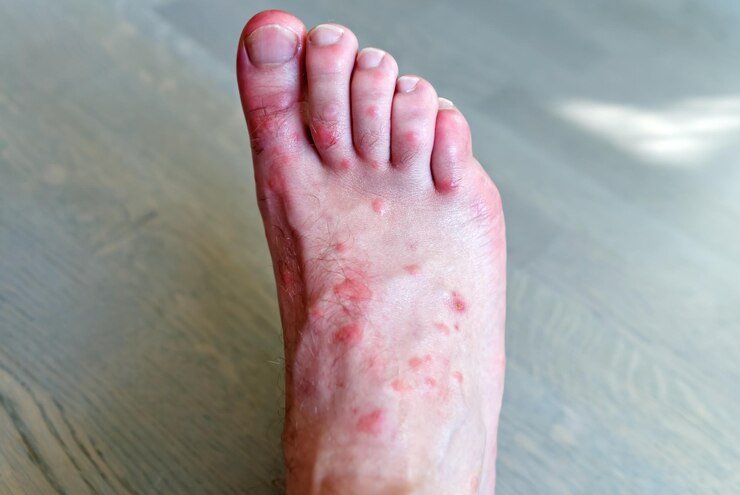
CAUSES OF FUNGAL INFECTION

Exposure To Fungi
Contact with Contaminated Surfaces like sharing personal items (e.g., towels, shoes), fungi can be found in places such as swimming pools, or damp clothing.
Weakened Immune System
In the case of diabetes, HIV/AIDS, or cancer, the risk is increased, also long-term treatment with antibiotics or corticosteroids can damage the body’s natural immunity.
Personal Habits
Strict hygiene is not maintained, and clothing that is restrictive and does not breathe can promote fungal growth.
Other Risky Factors
Cuts or injuries on the skin, medications that suppress the immune system, diseases or disorders like obesity, or even severe sweating.
TREATMENT FOR FUNGAL INFECTION
- Topical Antifungals: Creams, lotions, or sprays containing clotrimazole, miconazole, or terbinafine for mild infections.
- Antifungal Powders or Sprays: Help reduce moisture and prevent recurrence.
- Oral antifungals: Fluconazole, terbinafine, or itraconazole are available for swallowing and are recommended for severe or widespread Tinea infections.
- Prescriptive ointments: When normal topical preparations are not fruitful, stronger variants are needed.
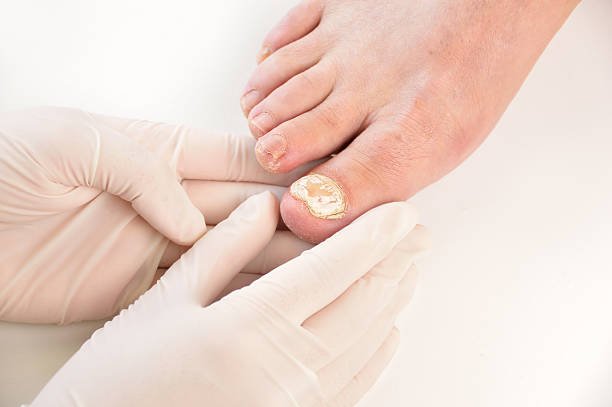
- Oral medications: For nail fungus, terbinafine or itraconazole are commonly prescribed.
- Medicated Nail Lacquers: Ciclopirox or lacquers are regarded as soothing.
- Oral antifungals: Griseofulvin or terbinafine are popular methods of treatment.
- Intravenous Antifungals: Recommended for fashioning infections in internal organs.
